
Movies
Maria Callas: The Tragic Decline of an Operatic Legend
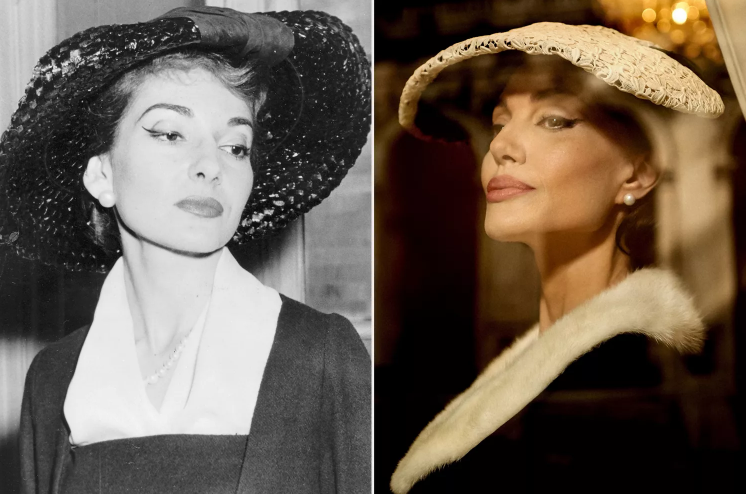
Dec
1. A Meteoric Rise to Stardom
Maria Callas, born Maria Anna Cecilia Sophia Kalogeropoulos on December 2, 1923, in New York City, emerged as one of the most influential opera singers of the 20th century. Her exceptional vocal range and dramatic interpretations captivated audiences worldwide. Maria Callas’s repertoire spanned from classical opera seria to the bel canto operas of Donizetti, Bellini, and Rossini, and further to the works of Verdi and Puccini. Her musical and dramatic talents led to her being hailed as “La Divina” (“The Divine One”).
2. The Mysterious Decline of Her Voice
In the 1960s, Maria Callas’s voice began to falter, leading to widespread speculation about the causes. Some experts suggested that her demanding repertoire and rigorous performance schedule contributed to the deterioration. Others believed that her significant weight loss in the early 1950s, which altered her physical support for singing, played a role. In 1975, Maria Callas was diagnosed with dermatomyositis, a rare connective tissue disease that causes muscle weakness and skin inflammation, which likely exacerbated her vocal decline.
3. Personal Struggles and Isolation
Beyond her professional challenges, Callas faced profound personal turmoil. Her passionate affair with Greek shipping magnate Aristotle Onassis ended in heartbreak when he married Jacqueline Kennedy in 1968. This emotional blow, coupled with her vocal issues, led Callas into seclusion in Paris. She became increasingly reclusive, battling depression and a reliance on sedatives like Mandrax. Estranged from her family and many friends, Callas’s later years were marked by loneliness and a sense of purposelessness.
4. Final Years and Legacy
Despite attempts to revive her career through masterclasses and limited performances, Callas could not reclaim her former glory. Her final public appearance was in 1974, and she spent her remaining years in relative obscurity. On September 16, 1977, Maria Callas died of a heart attack at the age of 53. Her ashes were scattered in the Aegean Sea, as per her wishes. Today, Callas is remembered not only for her extraordinary talent but also for her tragic personal life, which continues to fascinate and inspire.
5. Portrayal in Film
The complexities of Callas’s life have been depicted in various media, most recently in the biopic “Maria,” directed by Pablo Larraín and starring Angelina Jolie. The film focuses on Callas’s final days, exploring her struggles with her fading voice, personal demons, and enduring legacy. Jolie’s portrayal has been noted for capturing the vulnerability and strength of the iconic soprano, bringing renewed attention to Callas’s enduring influence on the world of opera.
From: Doublejoydesigns

