Movies
Unearthing Derry: All the Stephen King Easter Eggs in It: Welcome to Derry
Dec
1. A Rich Tapestry of Hidden References Across the Series
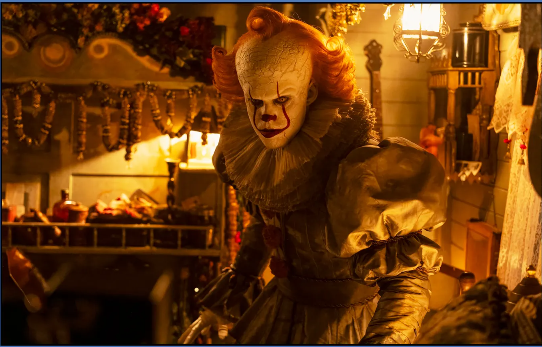
It: Welcome to Derry, HBO Max’s sprawling horror prequel series to It (2017) and It Chapter Two (2019), has quickly become a treasure trove of Easter eggs for Stephen King fans. More than just a chronicle of the malevolent Pennywise terrorizing the residents of Derry, Maine, the show weaves in references to King’s wider literary universe and the 1986 novel It in ways both subtle and striking. Co-creator Andy Muschietti and the creative team intentionally embedded these Easter eggs to reward viewers familiar with King’s work, while also deepening the mythology for newcomers. This layered storytelling approach makes Welcome to Derry feel like both a standalone narrative and a connective tissue to the larger Kingverse.
The series doesn’t merely echo the source material; it expands upon it, blending military intrigue, Native American mythology, and novel character arcs with classic elements from King’s books. The result is a rich web of narrative threads that honors the original text while offering unexpected moments of recognition for those versed in his other novels and short stories. These Easter eggs appear throughout the show’s episodes, from the pilot to the finale, transforming Derry itself into a character shaped by centuries of unseen horrors and intertextual nods.
At its core, part of the delight in watching Welcome to Derry comes from spotting these carefully placed details: familiar names scrawled in graffiti, symbolic animals that carry cosmic significance, and throwbacks to events and characters that have shaped King’s interconnected mythos. Whether it’s a toy turtle gifted in a scene that hints at deeper lore or the presence of an iconic figure from another King story, each Easter egg enriches the narrative and invites deeper engagement with the show’s world.
2. Episode 1: Symbols, Names, and Foreshadowing the Losers’ Legacy
The pilot episode, titled “The Pilot,” immediately sets the tone for Welcome to Derry by planting multiple references that fans of Stephen King will recognize. One of the earliest Easter eggs appears through the name Leroy Hanlon, which will be familiar to followers of the original It novel and films. Leroy shares a surname with Mike Hanlon, a pivotal member of the Losers’ Club, suggesting narrative continuity with existing canon and hinting at familial or thematic links to come.
Another clever early nod is the inclusion of Dick Hallorann in a military context. Hallorann, a beloved figure from The Shining, renowned for his psychic ability called “the shining,” appears in the background of the Derry base scenes. His presence extends King’s multiverse into the prequel’s timeline, offering fans a familiar touchstone and hinting at the broader interconnectedness of King’s characters.
Episode 1 also references Maturin, the benevolent cosmic turtle that symbolizes order and good in the Kingverse, particularly in It. Though the turtle itself isn’t visually represented, the show uses toys and imagery—like a turtle pendant and school mascot references—to echo its importance. These creative callbacks not only foreshadow the cosmic battle between good and evil but also invite viewers to contemplate forces more profound than Pennywise alone.
Even the show’s opening credits contain Easter egg content, including historical violence tied to Derry’s dark past—such as the Kitchener Ironworks explosion of 1908, a catastrophic event briefly mentioned in King’s novel that becomes thematically significant as the series progresses.
Finally, the pilot includes smaller but meaningful details, like the name Alvin Marsh carved in graffiti—an explicit reference to the abusive father of Beverly Marsh, one of the future Losers. These Easter eggs ground the present story in the lore that audiences know and deepen the narrative’s resonance for those who recognize them.
3. Episode 2 and Beyond: Deeper King Lore & Subtle Callbacks
As the series progresses into Episode 2, “The Thing in the Dark,” Welcome to Derry continues to layer its storytelling with references to Stephen King’s broader canon. One of the standout Easter eggs in this episode is the military’s attempt to utilize Hallorann’s psychic abilities to uncover Pennywise’s lair—an inventive extension of his shining powers audiences know from The Shining and Doctor Sleep.
Episode 2 also features a cameo reference to the Shawshank Redemption via a Rita Hayworth portrait, further tying Welcome to Derry to King’s iconic works beyond the It mythos. This photo isn’t just decoration—it symbolizes endurance and hope, nodding to the emotional core of Shawshank while also anchoring this show in the shared geography of King’s Maine.
Another Easter egg in the second episode involves a building signage teasing the future installation of the Paul Bunyan statue, a landmark that becomes famously animated by Pennywise in It: Chapter Two. By showing the approval of this statue’s construction, the series subtly signals upcoming horrors while anchoring Derry’s iconic landscape in its formative years.
Additionally, the introduction of Juniper Hill Asylum ties Welcome to Derry to other King novels such as Insomnia and Needful Things, by using a setting that recurs across his work. This asylum not only functions as a location within the plot but also acts as a bridge connecting narrative threads across King’s fictional universe.
These elements help establish Welcome to Derry not simply as a horror prequel but as a living tapestry of King’s broader creative vision—one that bends genres and timelines while honoring the deep mythology fans love.
4. Symbolism, Historical Horror, and Multiverse Connections
Beyond specific names and cameo appearances, It: Welcome to Derry abounds with symbolic Easter eggs that link the prequel to historical and supernatural aspects of Stephen King’s world. In Episode 3 and subsequent installments, the show invokes motifs like turtle carvings and carnival imagery—symbols that evoke both cosmic lore and the unsettling atmosphere central to It. These details reference the turtle Maturin, a cosmic guardian figure and symbolic opposite to Pennywise, whose influence resonates throughout King’s multiverse.
The series also embeds Easter eggs within mundane objects and scenes. For instance, background details such as graffiti, soda brands reminiscent of King’s fictional products, and nods to other King narratives (like Christine through chalkboard scrawling) create an interconnected environment that rewards careful viewing
Reddit fan discussions and community analyses further highlight the depth of these details, from subtle references to Pennywise’s historical feeding cycles to homages like the “Egg Boy” from the Ironworks disaster that King’s readers will recognize. Though some theories expand beyond confirmed Easter eggs, they reflect just how deeply this series is engaging fans to look for meaning in every frame.
The presence of Dick Hallorann also fuels speculation about psychic connections across King’s world, linking Welcome to Derry to broader multiverse themes that fans of The Dark Tower and Doctor Sleep will appreciate. These narrative threads make Derry’s horrors feel part of something far larger—a cosmic narrative web that spans dimensions, time, and the battle between order and chaos.
5. Finale Easter Eggs and the Promise of Future Mysteries
By the time Welcome to Derry reaches its season 1 finale, titled “Winter Fire,” the series’ commitment to integrating Easter eggs has paid off with a mix of deep cuts and clever references that tie both to It and Stephen King’s expansive universe. Fans and critics alike have pointed out nods to works such as Carrie, The Mist, Doctor Sleep, and The Dark Tower—a testament to the show’s layered storytelling ambition.
Key revelations in the finale include narrative links that clarify character histories, foreshadow future developments, and bridge timelines between the prequel and the original It films. One significant twist confirms familial connections—such as a character being the future parent of a well-known figure in the Losers’ Club—deepening the lore and rewarding vigilant viewers.
Though some fan theories, such as the mist in the finale being a crossover element from The Mist, were clarified by creators as symbolic of Pennywise’s expanding influence (rather than a direct crossover), the ongoing speculation highlights how invested audiences are in interpreting each Easter egg and what it might mean for future seasons.
As It: Welcome to Derry prepares for additional seasons—each exploring different eras of Pennywise’s cyclical terror—the Easter eggs are expected to deepen further, tying yet more of Stephen King’s oeuvre into this chilling tale. Whether it’s historical tragedies, cosmic entities, or character lineages, these hidden details enrich the narrative and establish the series as a must-watch for King enthusiasts and horror fans alike.
From: Doublejoydesigns

